

Welkom bij de Remonstranten!
Wat geloven wij?Geloof begint bij jou
Wij vinden dat geloof begint bij jou. Met de dingen die je meemaakt en de vragen die hierop volgen. Met de mensen die je ontmoet en de gesprekken die je hebt. Als geloof bij jou begint, dan is het ook van jou. Mag je er een eigen mening over hebben. Dingen ter discussie stellen. En zelfs de vrijheid nemen om niet alles te geloven.
Laatste berichten
Alle berichten




Binnenkort
Volledige agenda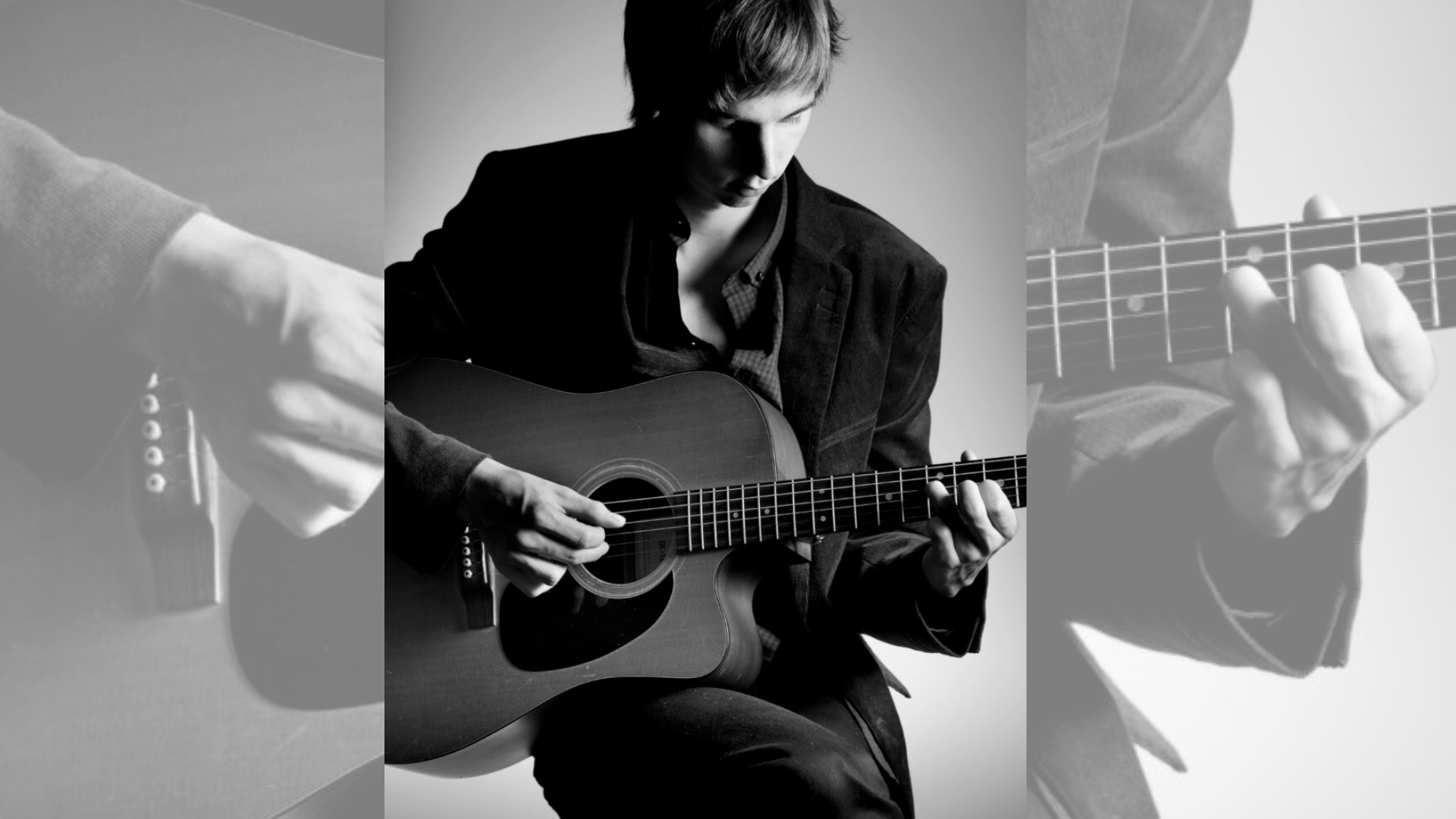
Liedjesschrijver, Zanger Joey Vriend
De populaire Hoornse zanger Joey Vriend geeft een concert in het Foreestenhuis op vrijdag 10 mei om 20.00. Tickets en meer info via de website van Project Geestdrift. Joey Vriend.. Lees verder
Lezing met concert door Jos van der Kooy
Organist Jos van der Kooy vertelt en speelt vandaag muziek die hoort bij Hemelvaart en Pinksteren. Op het repertoire staan bijv. werken van Bach, Reger, Duruflé en Messiaen. Iedereen is.. Lees verder

Bijbelkring Hilversum
In Hilversum is een nieuwe Bijbelkring gestart in de Kapel. Tot en met juli gaan we elke maand een keer samen een stuk in de bijbel lezen en het erover hebben… Lees verder

Landelijke contactledendag
Hoe houd je contact met elkaar binnen een kerkelijke gemeente? Hoe organiseer je dat, zonder dat je daarbij jezelf voorbijloopt? In alle remonstrantse gemeentes leven deze vragen, maar de organisatie.. Lees verder
Filosofisch café met Ronald van Raak
Ronald van Raak zal een inleiding houden over Erasmiaanse waarden. Na de inleiding is er ruimte voor discussie, die geleid wordt door dr. Johan Goud, emeritus-predikant van Den Haag. Vervolgens.. Lees verder

Filosofiecafé met Martijn Veltkamp ‘Het raadsel van het ik’
De schijnbaar simpele vraag ‘Wie ben ik?’ houdt ons vandaag de dag meer dan ooit bezig. We worden gestimuleerd onszelf te zijn, ons Ware Zelf te ontdekken, en een levenspad.. Lees verder